

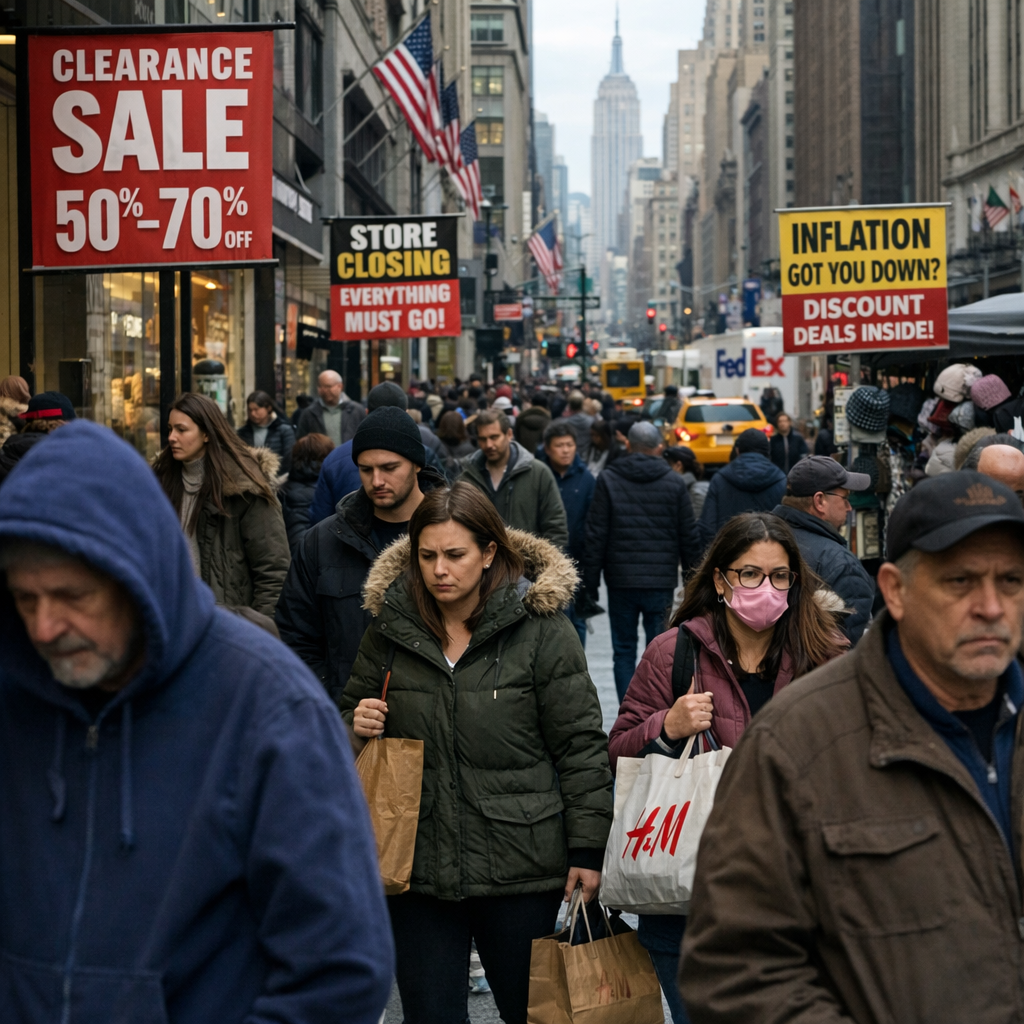
The U.S. economy is currently experiencing a complex interplay of factors affecting growth, inflation, and employment. Understanding these elements is crucial for both policymakers and citizens.
Economic Growth and Inflation
Recent data indicates that the U.S. economy expanded at a sluggish 0.7% annual rate from October through December, reflecting the impact of the 43-day government shutdown during that period. Additionally, inflation has surged to 3.3%, influenced by the ongoing conflict in Iran, which has led to higher energy prices.
Employment Trends
Despite economic strains, the job market has shown resilience. In May, the U.S. added 172,000 jobs, indicating market strength even amid challenges. However, many Americans remain frustrated by rising prices and economic uncertainties.
Federal Reserve Policies
The Federal Reserve has maintained interest rates, with projections of a potential rate cut in the near future. This decision reflects the Fed’s cautious approach in balancing economic growth and inflation control.
Consumer Confidence
Consumer confidence has been dented due to high gas prices and elevated inflation. These factors have led to increased anxiety about the political system and economic stability among Americans.
In summary, the U.S. economy is navigating a period of modest growth, rising inflation, and a resilient job market. Staying informed about these developments is essential for making sound financial and policy decisions.